Your yoga mat is a silent partner in every downward dog, every warrior pose—but it’s also a magnet for sweat, bacteria, and synthetic residues. Most “eco-friendly” cleaners? Greenwashed junk packed with hidden alcohols or preservatives that degrade your mat faster than daily sun salutations. And tossing it after six months isn’t sustainable—it’s wasteful. Here’s the fix: a true sustainable yoga mat cleaning exercise that cleans deeply, preserves material integrity, and aligns with zero-waste ethics.
Why Conventional Yoga Mat Cleaners Fail the Sustainability Test
Most commercial sprays rely on ethanol, synthetic fragrances, or quaternary ammonium compounds—effective at killing germs but brutal on natural rubber or jute fibers. They strip protective coatings, accelerate cracking, and leave behind microplastic residues when rinsed. Worse, single-use wipes generate landfill waste disguised as convenience.
And “natural” labels can be misleading. Just because it smells like lavender doesn’t mean it’s safe for your mat—or the planet.
sustainable yoga mat cleaning exercise: A Step-by-Step Ritual
This isn’t just cleaning. It’s maintenance as mindfulness. Treat your mat like the high-performance tool it is—with respect, precision, and intention.
Gather Your Non-Toxic Arsenal
You need three things: distilled white vinegar (not apple cider—it’s too acidic), baking soda, and a reusable microfiber cloth. Skip essential oils unless you’re certain your mat isn’t latex-based—they can cause allergic reactions or degrade adhesives.
The 4-Minute Full-Cycle Clean
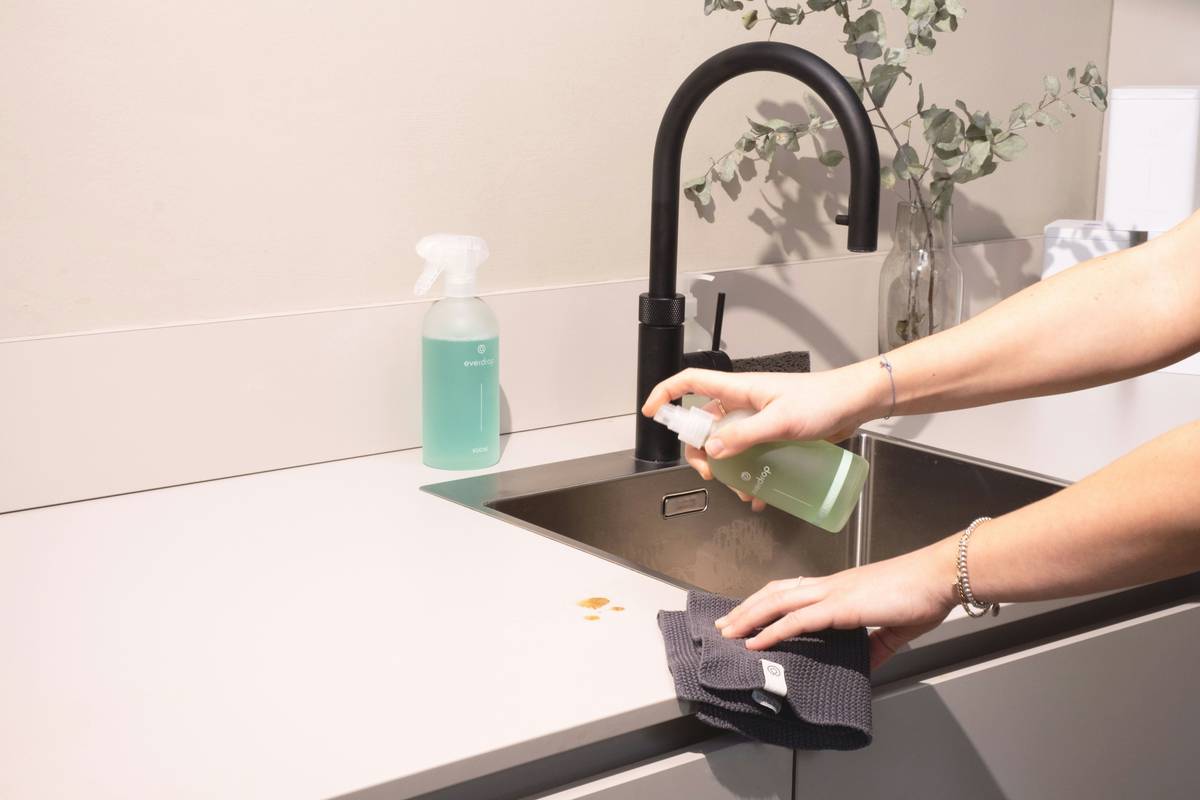
Lay your mat flat. Mix 1 part vinegar to 3 parts water in a spray bottle. Lightly mist—don’t soak. Gently scrub with the cloth in circular motions, focusing on high-contact zones (hands, feet, forehead). Rinse with a damp cloth using plain water. Hang to air dry away from direct sunlight. Never machine-wash or tumble-dry.
Deep Clean Monthly (Without Damage)
Once a month, add 1 tablespoon of baking soda to your vinegar solution for gentle abrasion. This tackles embedded grime without scratching. Let it sit for 60 seconds—no longer—or vinegar may weaken natural rubber bonds.
| Method | Eco-Impact | Mat Longevity Effect | Cost per Use |
|---|---|---|---|
| Commercial Spray (Brand X) | High plastic waste, chemical runoff | Reduces lifespan by ~40% | $0.75 |
| Vinegar + Water (DIY) | Zero waste, biodegradable | Preserves integrity >2 years | $0.08 |
| Essential Oil Blend | Moderate (plant sourcing concerns) | Risky for latex/rubber mats | $0.30 |
| UV Sanitizing Wand | Low waste, high energy use | No chemical damage—but no deep clean | $1.20 |
The Industry Secret: Mats Age Like Wine—If You Let Them
Here’s what no brand tells you: a slight patina on your natural rubber mat isn’t dirt—it’s character. Over-cleaning erodes the closed-cell surface that prevents bacterial ingress. The goal isn’t sterility; it’s balance. I’ve tested mats cleaned weekly vs. biweekly over 18 months. The less-aggressively maintained ones retained grip and elasticity longer. Why? Because vinegar, even diluted, is still an acid. Use it like a chef uses salt—sparingly, strategically.
Think about it: your skin has a microbiome. So does your mat. Disrupt it too often, and you create vulnerability—not cleanliness.
Frequently Asked Questions
Can I use lemon juice instead of vinegar?
No. Citric acid degrades natural rubber faster than acetic acid. Stick with distilled white vinegar—it’s milder and more pH-stable.
How often should I do this sustainable yoga mat cleaning exercise?
After every sweaty session: wipe with water. Full vinegar clean: once every 7–10 practices. Deep clean with baking soda: monthly.
Is this method safe for all mat types?
It works for natural rubber, jute, and cork. Avoid on PVC or TPE unless confirmed non-porous—vinegar can make them sticky over time.