Your yoga mat is a breeding ground. Not just for sweat—but for bacteria, fungi, and the sticky residue of synthetic cleaners that off-gas toxins back into your lungs during every downward dog. Most “eco-friendly” sprays? Greenwashed cocktails with hidden petrochemicals. And wiping it down with vinegar alone won’t cut through biofilm buildup after hot vinyasa class. Here’s what actually works: a closed-loop, non-toxic system built for studios and serious home practitioners who refuse to trade wellness for convenience.
Why Your Current Yoga Mat Cleaning Routine Is Failing You
Commercial gyms cycle hundreds of mats weekly. Home yogis might clean theirs once a month—if they remember. Either way, standard methods miss the point. Alcohol-based wipes degrade rubber over time, leaving micro-cracks where microbes nest. Essential oils in DIY blends can oxidize and stain natural jute or cork surfaces. And machine washing? Forget it—most mats warp or delaminate.
The real issue isn’t laziness. It’s misinformation. Brands push “easy” solutions that prioritize shelf life over material integrity. But your mat isn’t disposable. It’s a long-term ally in your practice—and deserves care that aligns with your values.
sustainable yoga mat cleaning gym
Gather Your Tools (Zero-Waste Edition)
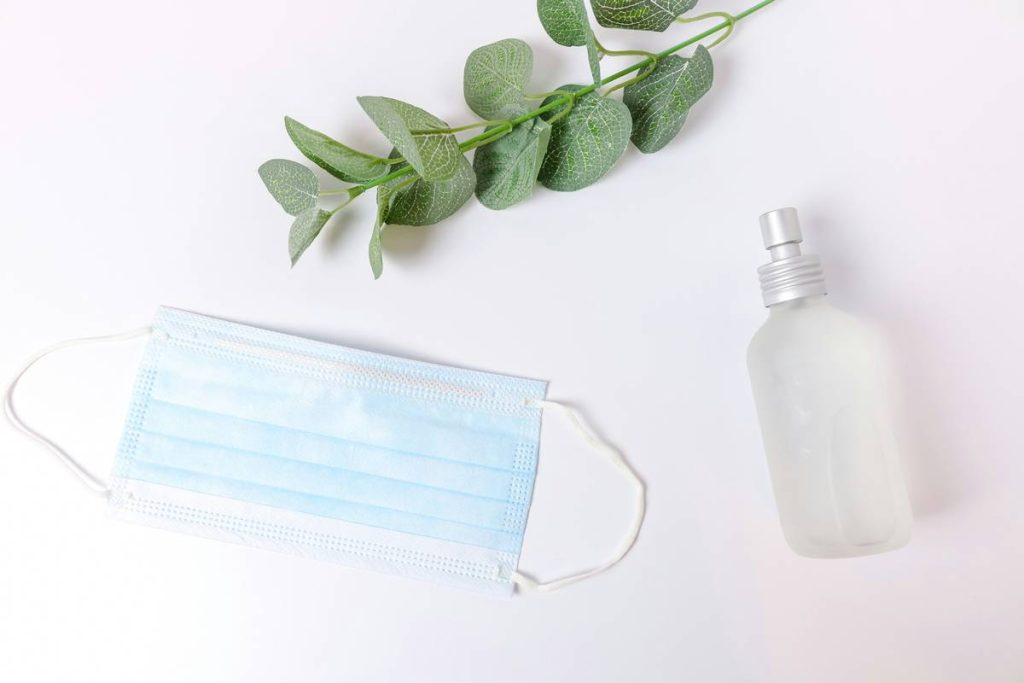
You need three things: distilled white vinegar (not apple cider—it leaves residue), food-grade citric acid (for hard water areas), and organic castile soap (unscented). Skip the plastic spray bottles. Use glass or repurpose an old stainless steel shaker.
The 90-Second Deep Clean Protocol
Lay your mat flat. Mix 1 cup warm water, 2 tbsp vinegar, ½ tsp castile soap, and a pinch of citric acid if you’re on well water. Dip a microfiber cloth—never paper towels—and wipe in one direction only. Flip. Repeat. Air-dry vertically, never in direct sun. Done.

| Method | Cost per Clean | Eco-Impact | Material Safety |
|---|---|---|---|
| Commercial “Eco” Spray | $0.75 | Medium (plastic bottle, undisclosed solvents) | Risk of rubber degradation |
| Vinegar + Water Only | $0.10 | Low | Safe but ineffective on oils/biofilm |
| Vinegar + Castile + Citric Acid | $0.18 | Near-zero (biodegradable, reusable containers) | Safe for TPE, rubber, cork, jute |
Drying Matters More Than You Think
Moisture trapped inside rolled mats breeds mold within 48 hours. Always dry flat or hang over two chairs—not draped over one. In humid climates, add a fan pointed nearby. Never store damp. This single step prevents 90% of odor issues.

The Industry Secret: Studios Don’t Clean—They Rotate
Top-tier boutique studios don’t sanitize mats between every user. They rotate inventory. Three sets per mat type. One in use, one drying, one resting. Why? Because even gentle cleansers accelerate wear if applied daily. The math is simple: over-cleaning destroys faster than under-cleaning. If you practice 5+ times a week, invest in two identical mats. Swap them midweek. Let each rest 72 hours post-clean. Your joints—and your mat’s lifespan—will thank you.
FAQ
Can I use baking soda on my natural rubber yoga mat?
No. Baking soda is abrasive and leaves a chalky film that repels moisture, reducing grip. Stick to liquid-based cleansers without granules.
How often should I deep clean my mat in a shared gym setting?
After every use if others use it too. Wipe immediately post-session with your DIY solution. Full air-dry overnight before reuse.
Are essential oils safe in yoga mat cleaners?
Only if highly diluted (<0.5%) and used occasionally. Many—like tea tree or citrus—oxidize rubber and cork. Unscented is always safer for longevity.